
The Hidden Crisis Behind Gas Supply in Commercial Kitchens: What No One Talks About
Running a food business is never just about cooking and serving. Behind every successful restaurant, cloud kitchen, or food stall, there is a system of planning, equipment, and supply that keeps everything running smoothly.
But what happens when one of the most critical elements of that system suddenly becomes unstable?
This is exactly what many businesses experienced during the recent gas supply issues. What seemed like a simple shortage turned into a chain reaction that affected pricing, operations, trust, and even survival for many food businesses.
This blog is not just about hotel kitchen equipment or fuel alternatives. It is about what actually happened on the ground, how it affected businesses, and what lessons every kitchen owner should take from it.
When Gas Supply Became a Problem
For most commercial kitchens, gas is not just a utility it is the backbone of operations. From small food stalls to large hotel kitchens, daily cooking depends heavily on a stable gas supply.
But during this period, many businesses started facing serious issues:
- Gas cylinders were not easily available
- Delivery delays became common
- Supply became inconsistent
- Prices started fluctuating unpredictably
At first, it looked like a temporary issue. But very quickly, it turned into something much bigger.
The Sudden Price Surge No One Expected
As soon as supply became unstable, the market reacted in a way that created even bigger problems.
Materials and components related to kitchen operations
especially items like blower coils and other supporting parts — saw price increases of 3 to 4 times.
This was not just a natural price increase due to demand. In many cases, it was driven by how suppliers responded to the situation.
Suppliers who already had stock could have stabilized the market by selling at reasonable prices. Instead, many chose to increase prices significantly.
This created a situation where:
- Market prices went out of control
- New buyers had no choice but to pay higher rates
- Existing businesses struggled to maintain cost balance
The Misunderstanding Between Businesses and Customers
One of the biggest impacts of this situation was on trust.
As equipment and fuel costs increased, businesses were forced to increase their prices. But from a customer’s perspective, it often looked like restaurants and kitchen operators were simply trying to earn more profit.
This created a gap in understanding.
In reality, most businesses were not trying to increase profits. They were trying to survive increasing costs.
For companies involved in commercial kitchen equipment, the situation was even more sensitive. When prices of materials and components increased, product costs also increased.
But customers often assumed that businesses were charging more intentionally.
This misunderstanding affected relationships and trust in the market.
The Real Impact on Small Businesses and Startups
Large restaurants and established brands somehow managed to adjust. They had better financial capacity and could absorb temporary losses or invest in alternatives.
But the real impact was seen on:
- Small restaurant owners
- Food stall operators
- New startups
- Businesses already going through a difficult phase
For many of them, the situation became extremely difficult.
Some faced:
- Rising operational costs
- Reduced customer demand
- Limited cash flow
- Inability to invest in alternatives
In several cases, businesses had to shut down temporarily. Some even had to sell their setups completely.
This was not just a business issue — it affected livelihoods.
The Shift Towards Diesel and Electric Alternatives
As gas became unreliable, many businesses started looking for alternatives.
The most common shift was towards:
- Commercial diesel bhatti
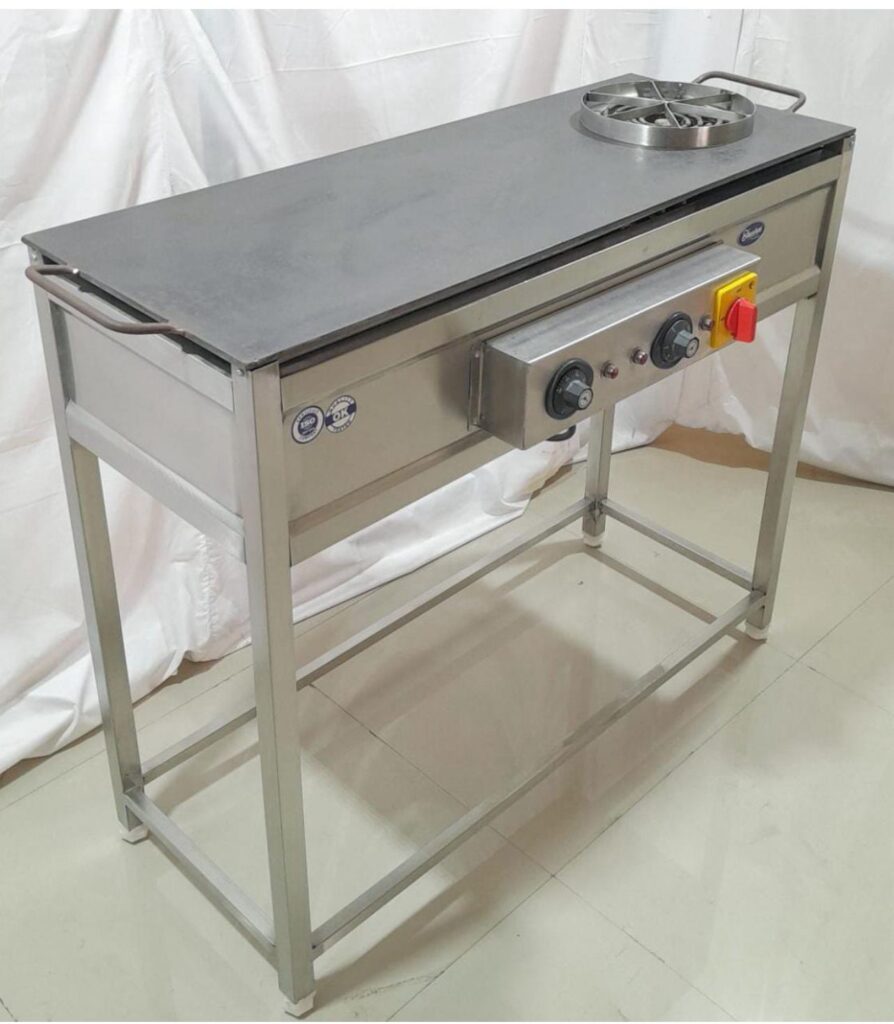
- Commercial electric bhatti
At that time, this shift felt like a practical solution. Businesses needed something that could keep their operations running.
And for a while, it worked.
But this sudden shift also created another problem.
The Rise of Unreliable Products in the Market
When demand increases suddenly, the market reacts quickly — but not always responsibly.
Many new manufacturers and sellers entered the market to take advantage of the situation.
Products like electric bhatti and stove systems started appearing everywhere.
But the problem was:
Not all of these products were reliable or properly tested.
Electric bhatti is not a simple product that anyone can manufacture successfully. It requires proper design, technical understanding, and testing.
However, many sellers:
- Started manufacturing without proper knowledge
- Sold products at very low prices
- Did not provide warranty or service
- Offered no support after selling
As a result, many buyers faced serious issues:
- Equipment failure
- Poor performance
- No repair or replacement support
- Complete loss of investment
This led to multiple cases of what can clearly be called fraud or irresponsible selling.
The Hidden Cost of “Cheap Solutions”
During difficult times, it is natural for businesses to look for cheaper options.
But this situation clearly showed the risk of choosing low-cost solutions without verifying quality.
Many businesses:
- Bought cheaper equipment
- Trusted new or unknown suppliers
- Did not check long-term reliability
And later faced:
- Higher maintenance costs
- Operational failures
- Additional expenses to replace equipment
This proves one important point:
In commercial kitchens, cheap is not always economical.
When Gas Supply Started Returning
After some time, gas supply started stabilizing again.
Cylinders became more available, and operations slowly started returning to normal.
But by that time, the market had already changed.
Many businesses had already:
- Shifted to alternative systems
- Invested in new equipment
- Faced losses
Some recovered, but many could not.
Who Gained and Who Lost
This entire situation created two very different outcomes.
On one side:
- Some suppliers and traders made significant profits
- Those with stock benefited from price increases
On the other side:
- Small businesses suffered heavy losses
- Startups struggled to survive
- Some businesses shut down permanently
This imbalance is something the industry needs to reflect on.
What This Teaches Us About the Industry
This situation highlighted several important lessons for anyone involved in food businesses or hotel kitchen equipment:
1. Dependence on a Single Resource is Risky
Relying completely on one fuel source can create vulnerability.
2. Quality Always Matters
Choosing reliable equipment is more important than choosing cheaper options.
3. Supplier Ethics Matter
A good supplier supports clients during difficult times, not just during profitable ones.
4. Long-Term Thinking is Important
Short-term savings can lead to long-term losses.
Our Perspective as a Kitchen Equipment Provider
From our side, this situation was never about increasing profits.
When our clients face problems, our priority is to support them, not to take advantage of the situation.
Yes, costs increased. Yes, prices had to be adjusted.
But the intention was always to maintain quality and continue providing reliable solutions.
Because in the long run, trust matters more than short-term earnings.
Moving Forward: A More Responsible Approach
As the industry moves forward, there is a need for more awareness and responsibility.
Businesses should:
- Choose reliable partners
- Invest in quality equipment
- Plan for backup solutions
And suppliers should:
- Maintain fair pricing
- Provide proper support
- Focus on long-term relationships
Final Thoughts
The gas supply issue was not just a temporary problem — it was a reality check for the entire industry.
It showed how quickly things can change and how important it is to be prepared.
For anyone running a food business or planning to invest in commercial kitchen equipment, this is a reminder to make informed decisions, choose the right partners, and focus on long-term stability.
Because in this industry, survival is not just about working hard — it is about working smart.
.